

Cart 0
Table of Contents
Introduction
In some parts of Crete, food carries weight beyond the plate. In Archanes in Crete, it shapes the pace of the day and quietly reflects the character of the land itself. Vineyards stretch toward the hills, olive trees mark the fields, and the soil feels generous. Life here follows seasons rather than schedules.
From a distance, the village may seem simply picturesque, resting close to Heraklion. But that stillness holds depth. The Ancient Flour Trail uncovers how everyday ingredients—flour, oil, herbs—form part of a cultural thread that has remained unbroken for centuries. In Archanes in Crete, tradition is not reconstructed for visitors; it continues because it never stopped.
Archanes in Crete and the Living Tradition of Food
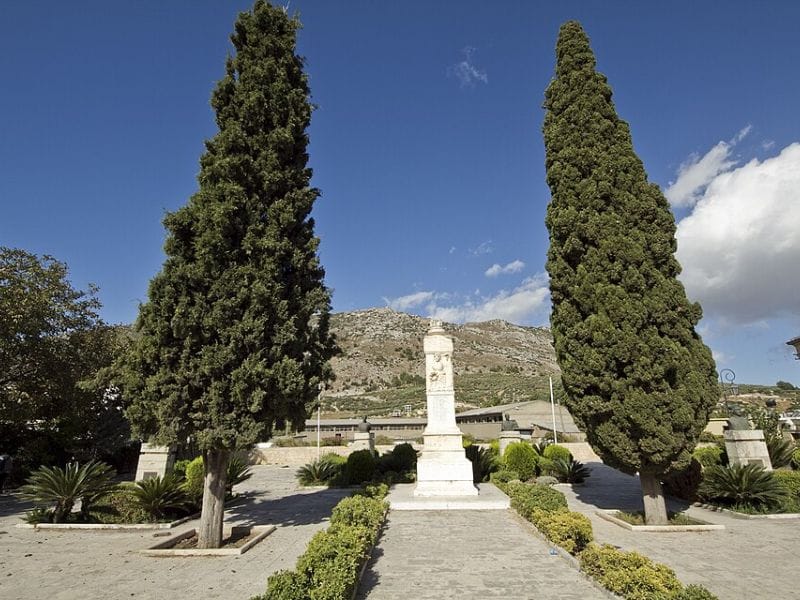
Agriculture has long defined Archanes in Crete. Its location and fertile surroundings supported organised production even in Minoan times. That legacy is not abstract history. It lingers in the habits of the village—in how bread is made, how oil is pressed, how meals are shared.
The central square offers a natural starting point. Nothing feels staged. Locals sit at cafés without hurry, conversations overlap, and tables fill gradually. Eating is not treated as an event set apart from daily life. It is woven into it.
Follow the scent of smoke and you may find a wood-fired oven at work. Bread is prepared slowly, shaped by hand, and left to bake at its own pace. The process resists shortcuts. Flour, water, yeast, and patience come together in a way that feels steady rather than nostalgic. When the bread emerges, warm and fragrant, it carries more than flavour—it carries continuity.
From Local Ingredients to Cultural Identity
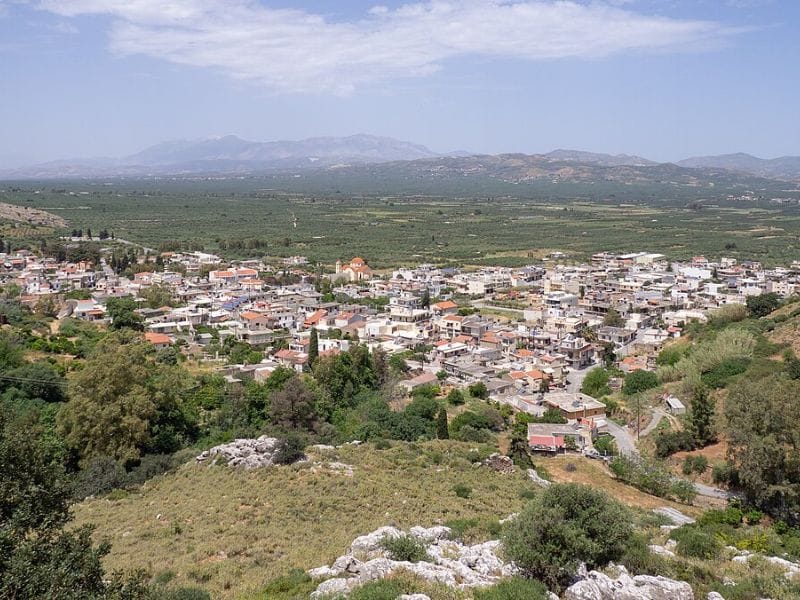
Walking through the narrow lanes of Archanes in Crete, you begin to notice how closely food reflects the terrain. Shop shelves hold thyme honey, dried sage, dittany gathered from the hills, and olive oil pressed nearby. These are not curated specialties. They are everyday essentials.
Wild herbs grow freely across the surrounding landscape. Their aroma rises in the heat, subtle but persistent. They define the taste of local dishes and quietly reinforce the identity of the region. What grows naturally shapes what is eaten. The connection feels direct, almost inevitable.
At a traditional olive mill, this relationship becomes tangible. Olives move through the press in a process that has changed little over generations. The transformation is slow and deliberate. Olive oil here is not marketed as heritage—it simply is. In Archanes in Crete, it stands as a steady reminder of resilience and time.
A Landscape That Preserves Memory
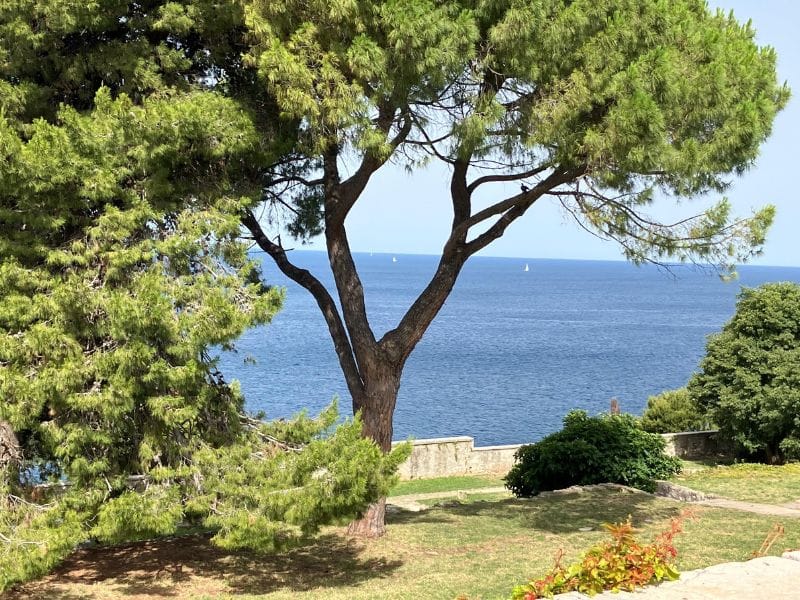
Step beyond the village centre and the scenery opens into fields and low hills. The air carries the scent of wild plants, and the soundscape softens. Movement slows without effort. The land does not demand attention, yet it shapes everything.
Nearby lies Vathypetro, where ancient wine presses reveal how deeply rooted organised production once was. These remains do not feel disconnected from the present. They underline a continuity that still defines Archanes in Crete. Cultivation here has never been a passing phase; it has been a constant.
Returning to the village, the elements align naturally. Bread is torn and shared. Olive oil is poured generously. Wine accompanies conversation. Nothing is exaggerated. The experience feels complete precisely because it remains simple.
Conclusion
Archanes in Crete offers more than scenic charm. It presents a lived connection between land, food, and memory. The Ancient Flour Trail does not introduce something new; it reveals what has always been present.
Spending time in Archanes in Crete makes it clear that tradition here survives through repetition rather than performance. Bread, oil, herbs, and wine continue to shape daily life. What appears modest at first unfolds into something enduring—an identity sustained quietly, one meal at a time.